Blog 09.2026
What is a corporate renewable power purchase agreement?
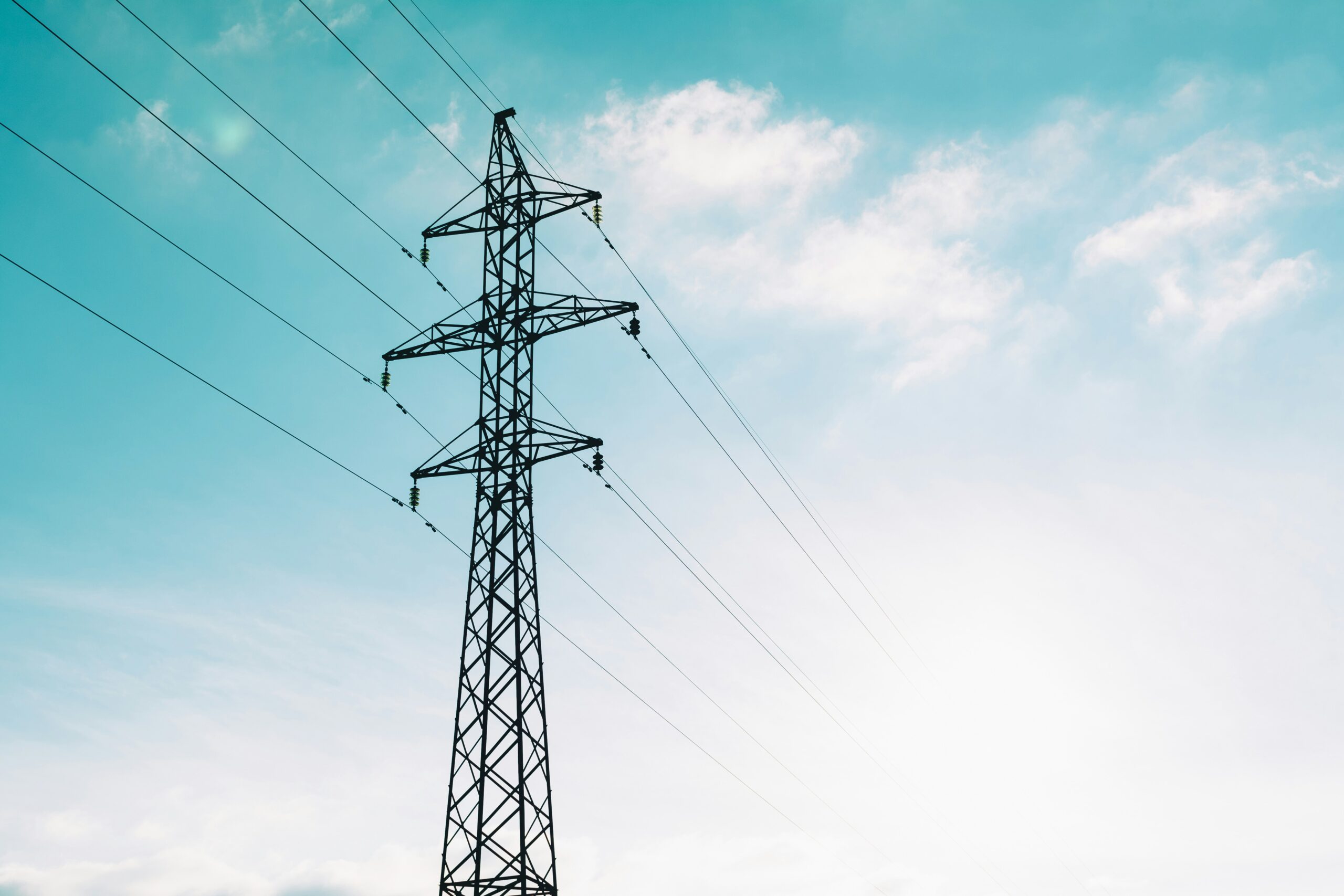
A power purchase agreement (PPA) is a long-term contract between an electricity generator and a buyer. Essentially, under a PPA, the customer agrees to purchase electricity directly from the generator, rather than the generator selling its output through wholesale electricity markets.
By creating predictable, long-term revenue, the agreement gives lenders confidence that the project will generate stable cash flows for years to come. Without a PPA, the project is exposed to the unpredictability of wholesale electricity prices, making lenders more cautious. They may lend less, charge more for capital, or decline to finance the project altogether.
In other words, a PPA transforms uncertain future income into contracted, financeable cash flow. It is the commercial foundation on which many new energy projects are built.
Zooming in on renewables
In the case of a corporate renewable PPA, this agreement is between a renewable energy developer and a corporate buyer. What makes this different to other power purchase agreements is that the buyer is a corporate rather than a utility or trader, and is principally buying the green credential, in addition to the power, depending on the structure of the agreement.
The renewable energy developer commits to delivering the output of a project, while the corporate buyer commits to paying an agreed price or pricing structure over a set period – typically 10 to 15 years, though contracts of 20 years or more are not uncommon.
Although corporate renewable PPAs are often discussed in the context of corporate sustainability goals, perhaps their most important role is providing financial backing for new renewable energy projects.
Due to the capital-intensive nature of most renewable energy projects, almost all of the costs are incurred before a single megawatt of electricity is generated. Developers must secure financing to build the project long before any revenue begins to flow.
It is the buyer’s long-term payment commitment that enables the project to be financed in the first place. By underwriting predictable revenue, the buyer is directly supporting the addition of new renewable generation capacity to the grid.
Guaranteed green energy
For the corporate buyer, a PPA guarantees that renewable electricity is being generated and delivered into the grid on their behalf. For every MWh produced, the buyer receives the associated renewable energy attributes, such as Renewable Energy Certificates (RECs), providing evidence of renewable energy procurement and helping companies meet renewable energy and broader sustainability targets.
Beyond the environmental benefits, a PPA can also provide greater certainty around a company’s energy strategy. By securing an agreed price and volume of renewable electricity over a longer term, corporate buyers can reduce their exposure to fluctuations in energy prices while gaining greater visibility over future expenditure.
No one-size-fits-all approach
Ultimately, a corporate PPA is a financial engine that enables new renewable energy projects to be built. By creating long-term certainty for both developers and corporate buyers, PPAs enable investment into future energy projects, allowing the creation of a greener and more resilient energy system.
No two corporate PPAs are the same. These agreements can be structured in a number of ways, with different terms, timelines and risk allocations depending on the project and the parties involved.
In our next blog, we’ll explore one of the key distinctions between them: the difference between physical and virtual PPAs.
You may also be interested in
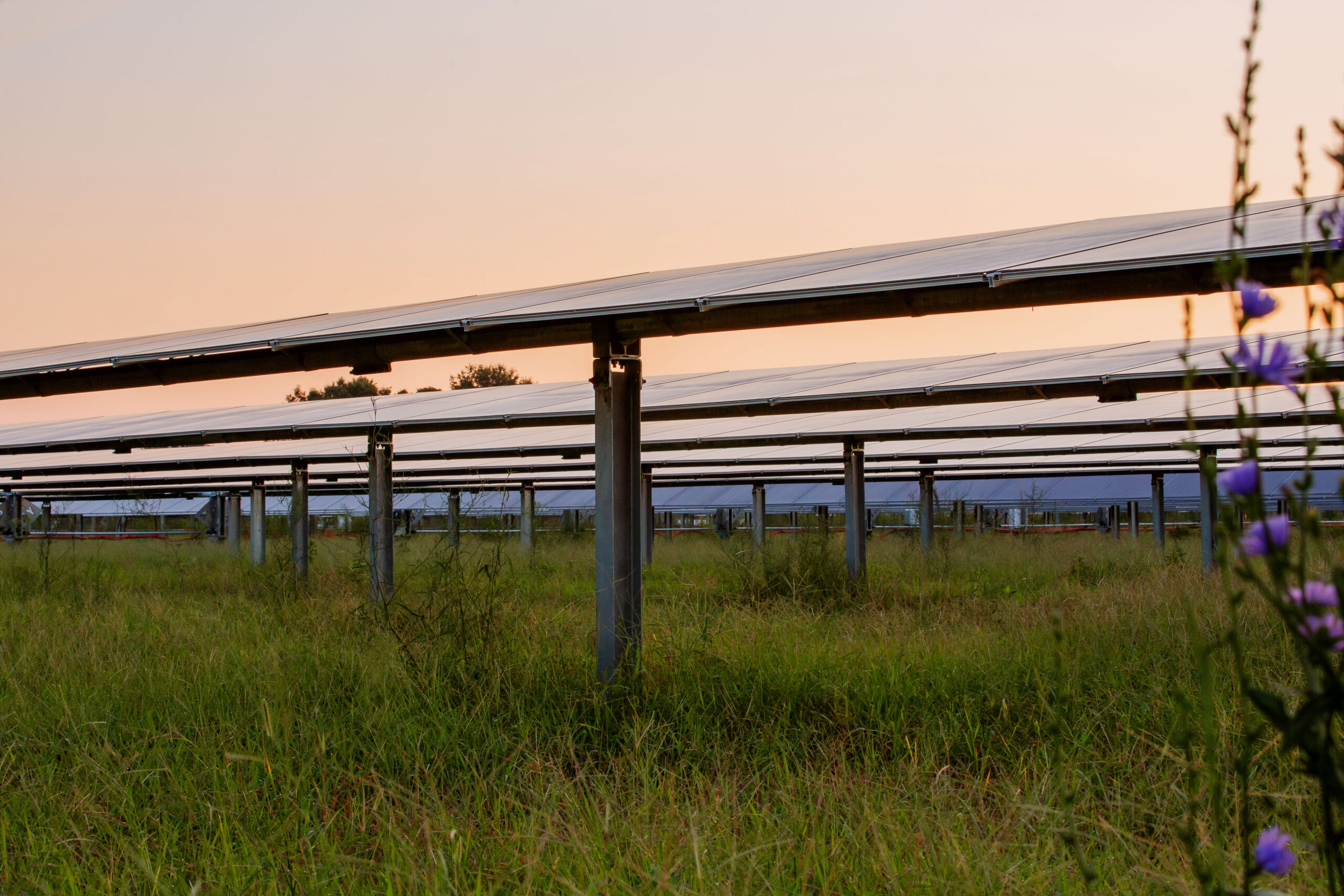
JERA Nex: The next chapter
JERA Nex is shifting focus to onshore renewables, developing wind, solar, and storage to support a low-carbon energy future.
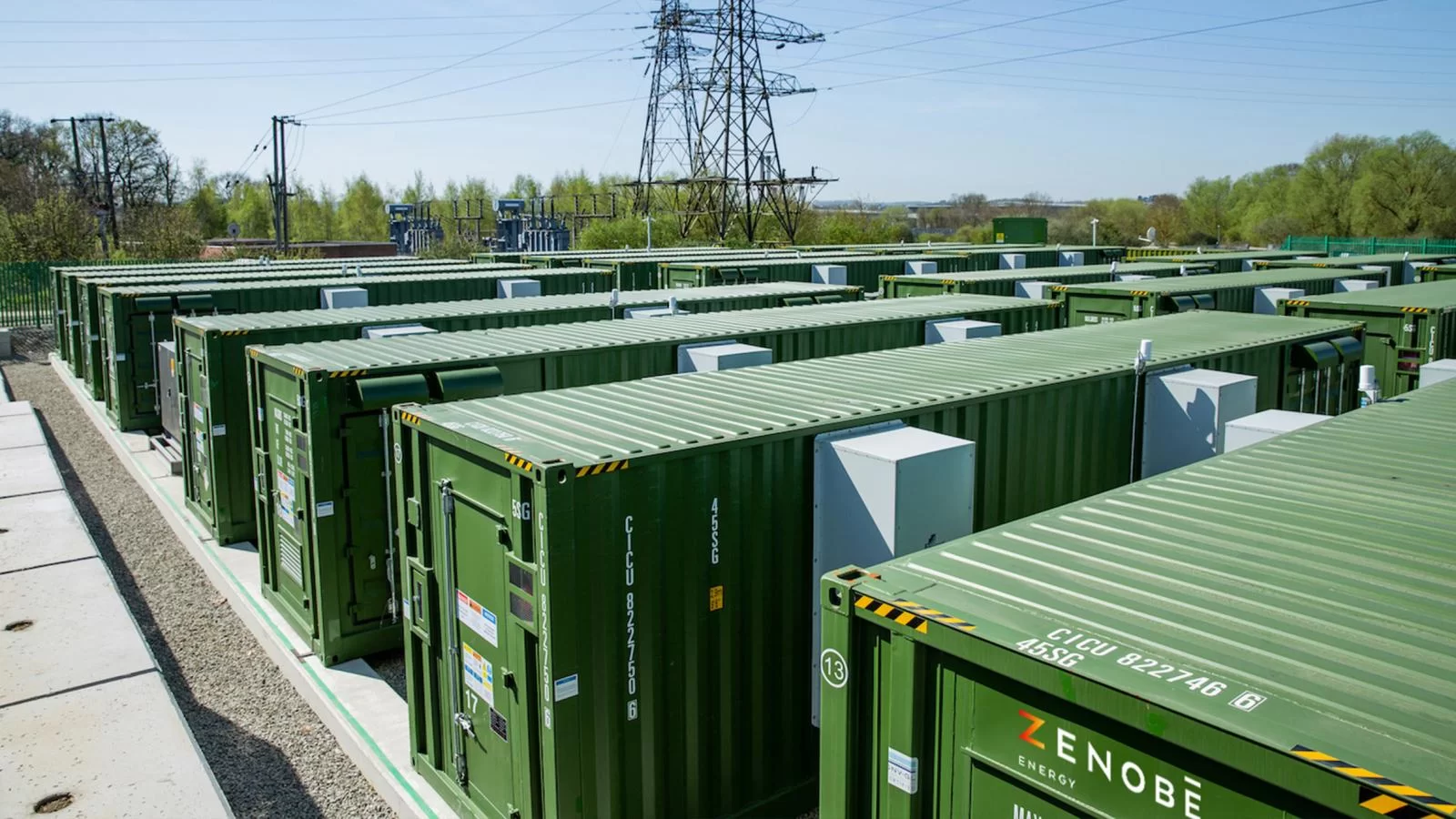
Five performance dimensions that determine whether BESS projects deliver
Five performance dimensions that determine whether BESS projects deliver. Discussions on availability and degradation.
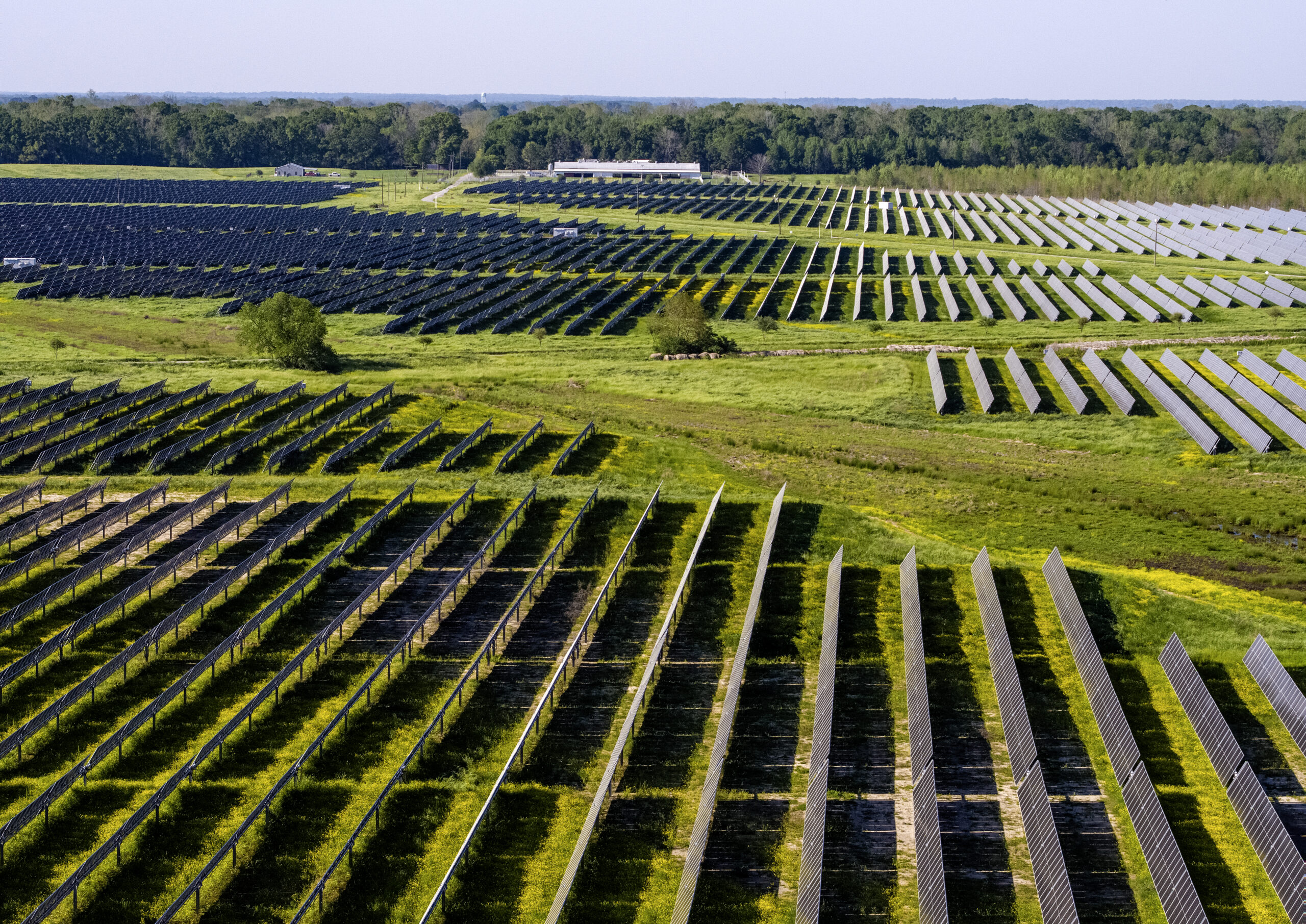
JERA Nex, leading the energy transition
Discover how JERA Nex advances sustainable energy with renewable projects and a goal of zero CO2 emissions by 2050.
On the ground in Arkansas: Visiting Happy Solar Farm
Explore Happy Solar Farm in Arkansas, a 95MW site powering 21,000 homes with clean energy and supporting local wildlife habitats.